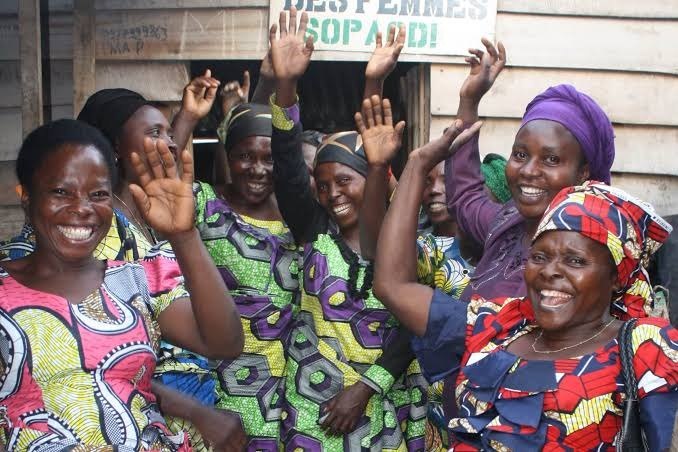
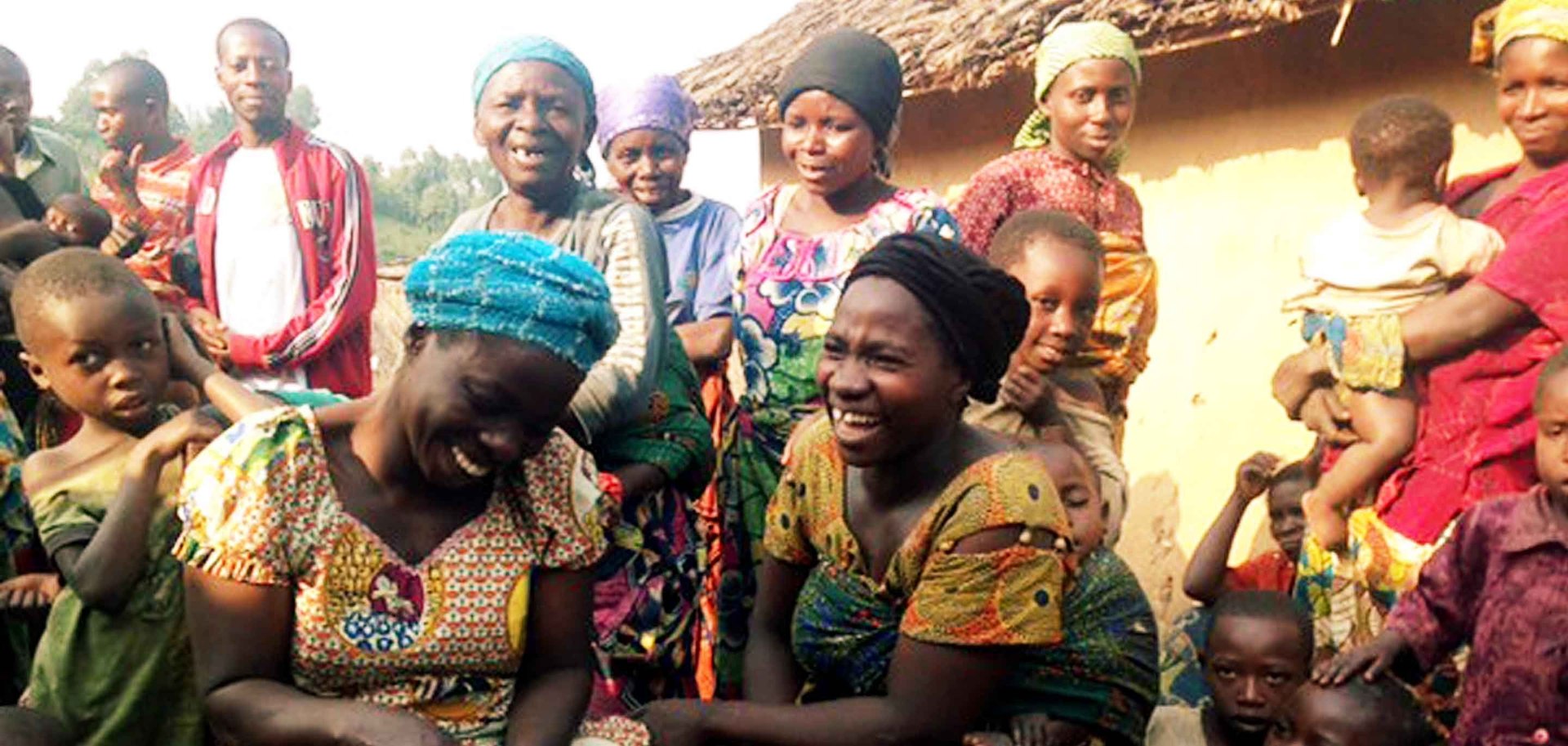
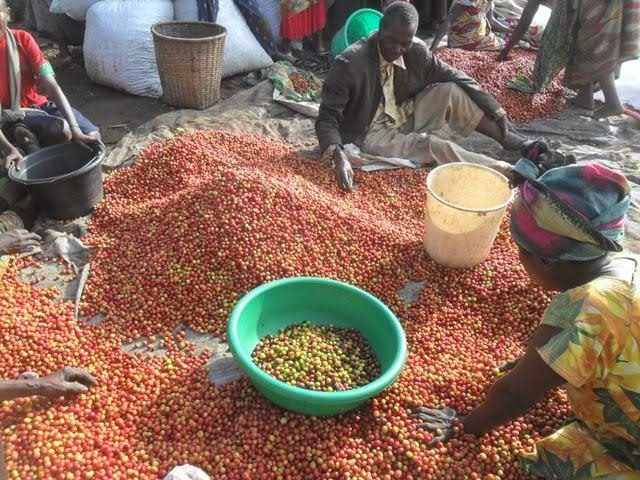
In 2003, 276 small producers — including 3 women — came together at the initiative of Joachim Munganga Mahemu to found SOPACDI: Solidarité Paysanne pour la Promotion des Actions Café et Développement Intégral.
Based in Tsheya, on the Buzi-Bulenga peninsula, Kalehe Territory, South Kivu, the cooperative cultivates a specialty Bourbon and Katimor Arabica. Before its creation, producers crossed Lake Kivu by canoe at night to sell their coffee in Rwanda — risking their lives on dangerous waters.
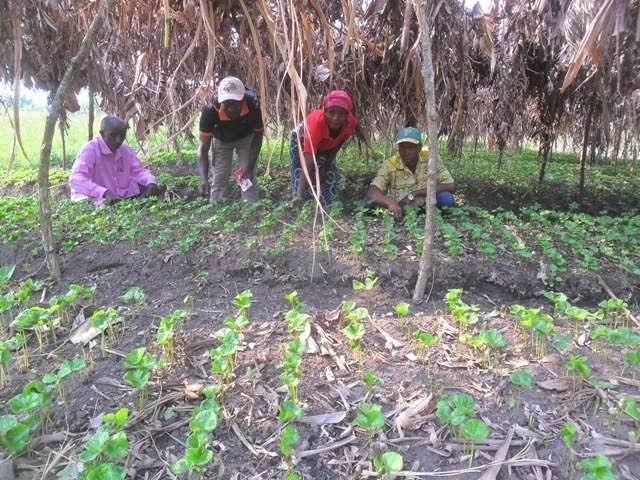
Shade trees + Bourbon and Katimor coffee plants
21 sectors, Kalehe Territory (South Kivu)
At least 30% women on the board of directors
First Congolese cooperative honoured internationally
100% Arabica, Bourbon and Katimor varieties, grown between 1,460 and 2,000m on the volcanic soils of Lake Kivu.
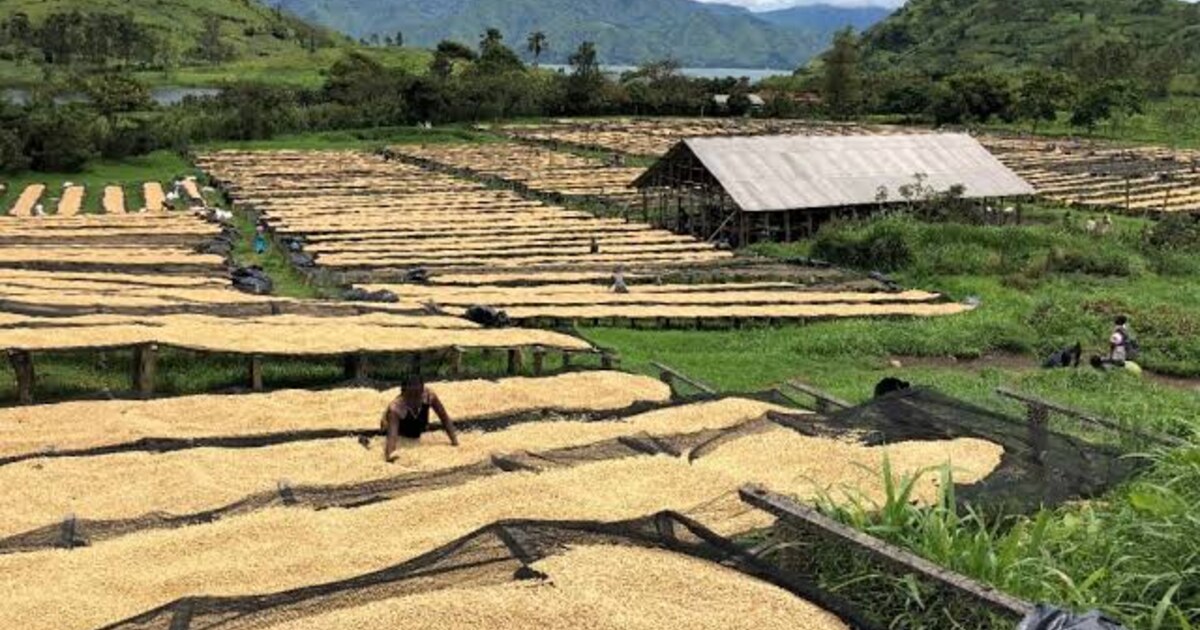
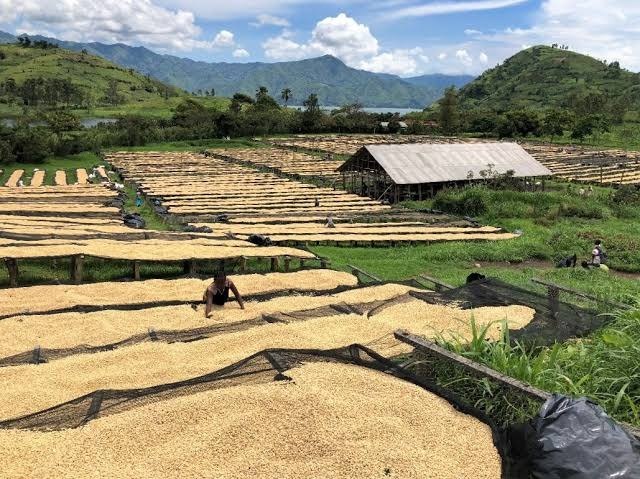
Our flagship coffee, collectively processed at the station. Rwandan-style triple fermentation (12h dry, 12h underwater, 12h soak), washed with Lake Kivu water, dried on African tables.
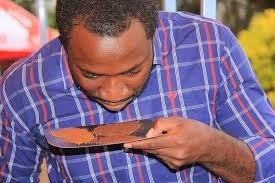
Processed at farm level: producers deliver their dried parchment directly to the cooperative, which handles final sorting and export.
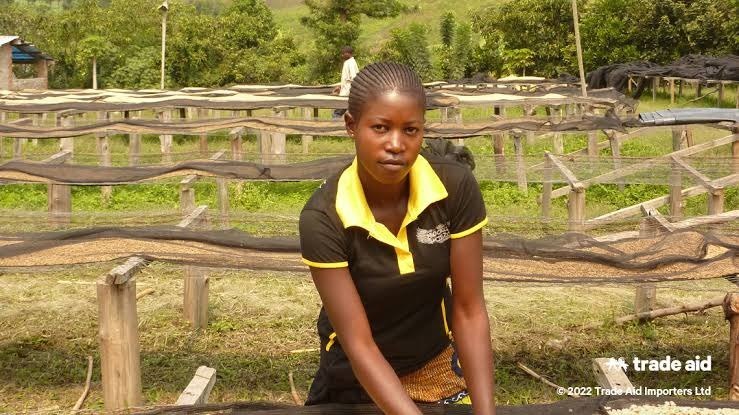
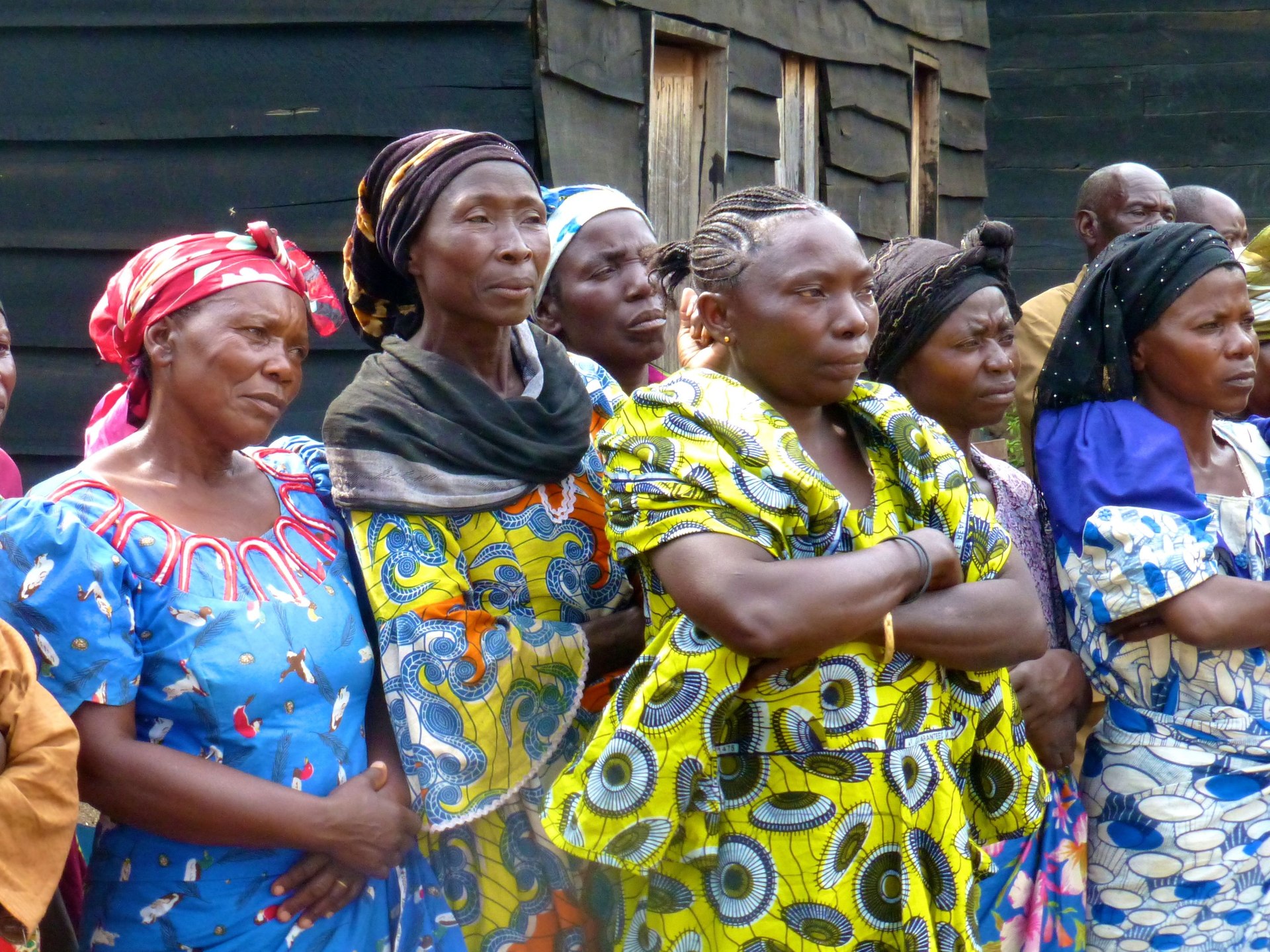
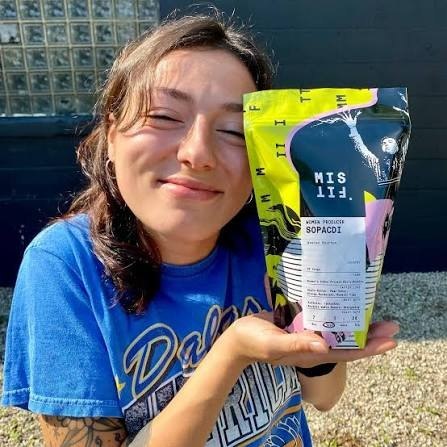
A specific premium is paid to around 4,000 women members for their \"Women's Coffee\", supporting schooling and maternal healthcare.
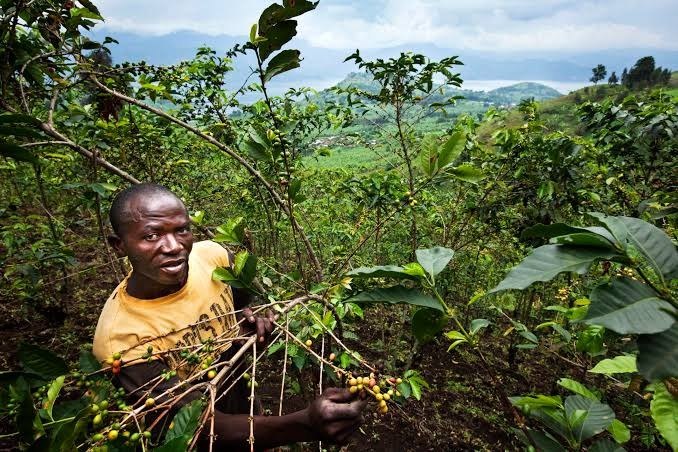
Bourbon and Katimor Arabica, 1,460–2,000m. Selective hand-picking, March–June & September–December.
Sorting ripe cherries, pulping in our 4 main stations and 5 mini-stations.
Rwandan-style fermentation: 12h dry, 12h underwater, 12h soak, then washing in channels.
Drying on raised African tables until optimal moisture. Constant turning and sorting.
Hulling and sorting at Goma, then Mombasa route (Kenya) to Europe and the United States.
A strong network of international partners committed to fair trade, sustainable development and coffee quality.